
Mastering the Basics: A Beginner’s Guide to Freight Forwarding
Mastering the Basics: A Beginner’s Guide to Freight Forwarding – Freight forwarding is an essential component of global trade, enabling the seamless movement of goods across borders. For those new to the field, here’s a beginner-friendly overview of the process and its importance.
Mastering the Basics: A Beginner’s Guide to Freight Forwarding
Freight forwarding is a crucial part of global trade, facilitating the smooth movement of goods across borders and ensuring timely delivery. For beginners, understanding the basics of freight forwarding is essential for navigating the complexities of international shipping. Essentially, a freight forwarder acts as an intermediary between the shipper and transportation services, coordinating the movement of goods via air, sea, road, or rail.
The process begins with the shipper handing over the goods to the freight forwarder. From there, the freight forwarder takes charge, seamlessly managing the entire shipping process.. This includes selecting the best route, choosing appropriate carriers, and arranging for packaging, documentation, and customs clearance. Freight forwarders offer a wide range of services; for instance, they handle booking cargo space, expertly negotiate rates, and even provide insurance options to safeguard goods during transit.
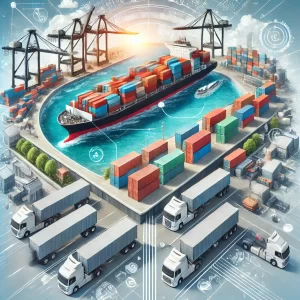
One of the key roles of a freight forwarder is managing the paperwork involved in international shipping. This includes bills of lading, commercial invoices, and customs declarations. With regulations varying by country, a freight forwarder ensures compliance with all local laws and customs requirements, preventing delays or penalties.
Additionally, freight forwarders can offer advice on packaging to reduce costs and improve the safety of the goods during transit. They work closely with shipping carriers, warehouse providers, and customs brokers to streamline the process and handle any unexpected issues that may arise along the way.
For beginners, learning about freight forwarding can seem daunting, but it’s all about understanding the logistics and how they support international trade. By partnering with experienced freight forwarders, businesses can reduce risks, save time, and focus on expanding their global reach with confidence.
What is Freight Forwarding?
Freight forwarding is a critical service in the global supply chain that ensures the seamless movement of goods from one location to another, often across international borders. It involves managing the logistics and transportation of cargo, whether by air, sea, road, or rail, to ensure timely and cost-effective delivery. Freight forwarders act as intermediaries between shippers (those sending goods) and carriers (those transporting goods), providing expertise and support throughout the process.
The primary role of a freight forwarder is to simplify the complexities of global trade for businesses. This includes organizing the transportation of goods, preparing necessary documentation, managing customs clearance, and ensuring compliance with international trade laws. Freight forwarders often offer additional services such as cargo insurance, warehousing, and packaging to ensure that goods are secure and meet legal requirements during transit.

Key Steps in Freight Forwarding
Freight forwarding is a structured process that ensures the smooth movement of goods across borders. Understanding its key steps is essential for efficient logistics management. Here’s a breakdown of the process:
1. Export Haulage
This step involves transporting goods from the shipper’s location, such as a warehouse or factory, to the freight forwarder’s facility or port of departure. This can be done via road or rail, depending on proximity and infrastructure.
2. Export Customs Clearance
Before goods leave the origin country, they must comply with local export regulations. This involves preparing and submitting required documents, such as the commercial invoice, packing list, and export declaration. Customs clearance ensures goods are authorized for international shipment.
3. International Transportation
Once cleared, the freight forwarder selects the most suitable mode of transport—air, sea, road, or rail—based on factors like cargo size, cost, and urgency. This stage involves moving the goods to the destination country through pre-determined routes.
4. Import Customs Clearance
Upon arrival at the destination country, goods must pass through customs. The forwarder or their agent ensures all necessary documents, such as the bill of lading and import licenses, are in order to comply with local regulations.
5. Destination Delivery
The final step involves transporting goods from the destination port or terminal to the consignee’s location. This is also known as “on-carriage” and often involves road or rail transport.
Freight forwarders coordinate each step to ensure a seamless and efficient process, managing potential delays and ensuring compliance with trade regulations. By handling these logistics, they enable businesses to focus on their core operations while ensuring goods reach their destinations on time and in good condition.
Modes of Transportation in Freight Forwarding
In freight forwarding, selecting the right mode of transportation is crucial to balancing cost, speed, and cargo requirements. Each mode offers unique benefits and is suited to different types of shipments.
1. Air Freight
Air freight is the fastest mode of transportation, ideal for time-sensitive shipments such as perishable goods, medical supplies, or high-value electronics. While it offers speed and reliability, air freight is more expensive compared to other modes. It is best for lightweight and urgent cargo that requires delivery within tight deadlines.
2. Sea Freight
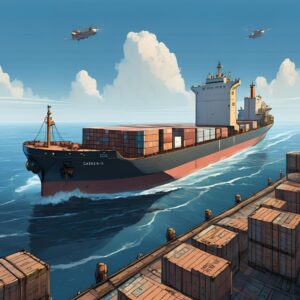
Sea freight is the most cost-effective solution for large and heavy shipments, such as industrial machinery, bulk commodities, or consumer goods. It allows for the transport of goods in containers or as bulk cargo. Although sea freight is slower than air, it is ideal for shipments where time is less critical. This mode is widely used for international trade due to its capacity and affordability.
3. Road Freight
Road freight provides flexibility and accessibility, making it suitable for domestic and regional shipments. It is commonly used for door-to-door delivery, especially in areas where air or rail networks are not available. Trucks can carry various cargo types, from small packages to oversized goods, making it versatile for short to medium distances.
4. Rail Freight
Rail freight is an eco-friendly and efficient option for transporting bulk goods over long distances. It is particularly effective for shipments of raw materials like coal, minerals, or grain. Rail transport offers a balance of speed and cost, making it an attractive option in regions with well-developed rail networks.

Tips for Beginners in Freight Forwarding
Starting a career in freight forwarding can be exciting yet challenging. Success in this field requires a blend of knowledge, adaptability, and strong interpersonal skills. Here are some essential tips for beginners:
1. Master Incoterms
Incoterms, or International Commercial Terms, define the responsibilities of buyers and sellers in international trade. They clarify who handles shipping, insurance, and customs, reducing the risk of misunderstandings. A strong grasp of Incoterms helps you create clear trade agreements and build trust with clients.
2. Stay Updated on Customs Regulations
Customs rules and trade regulations vary by country and often change. Staying informed ensures compliance, avoids delays, and prevents costly penalties. Regularly check updates from government and international trade organizations to stay ahead.
3. Leverage Technology
Digital tools are vital for efficient freight forwarding. Use software for shipment tracking, documentation, and communication. Automation not only saves time but also minimizes errors, providing clients with reliable and transparent updates about their cargo.
4. Build Strong Relationships
Relationships are key in logistics. Cultivate trust with carriers, customs agents, and clients by maintaining professionalism and delivering on promises. A solid network ensures you can quickly address challenges like delays or capacity shortages.
5. Focus on Transparent Communication
Clear and honest communication is crucial in logistics. Proactively update clients about their shipments and address concerns promptly. This builds confidence and ensures repeat business.

Why Choose Seashell Academy?
Seashell Academy empowers individuals to build a strong foundation in logistics and freight forwarding. Our comprehensive curriculum covers transportation management, customs regulations, international trade, and logistics technology. With hands-on training, expert mentorship, and networking opportunities, we prepare students to excel in the evolving logistics industry. Whether you’re starting your career or enhancing your skills, Seashell Academy ensures you’re job-ready from day one, equipped to navigate global supply chain complexities and advance in logistics. Join us to succeed in this dynamic field!